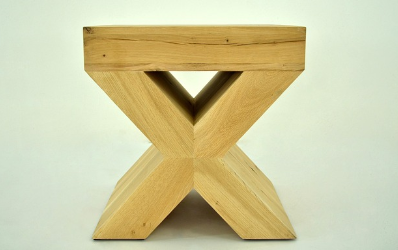
Custom wood furniture production combines traditional carpentry craftsmanship with contemporary design sensibilities creating bespoke pieces from quality solid hardwoods through meticulous hand-finishing techniques and precision manufacturing processes. Furniture manufacturing services address residential and commercial applications through varied product categories including seating, tables, storage solutions, and architectural millwork tailored to client specifications regarding dimensions, wood species, finish options, and design aesthetics. Solid wood construction ensures durability and longevity through properly selected hardwoods exhibiting appropriate grain patterns, density characteristics, and dimensional stability for intended applications and environmental conditions. Traditional joinery techniques including mortise-and-tenon, dovetail, and dowel construction create strong mechanical connections avoiding reliance on metal fasteners or adhesives alone ensuring structural integrity throughout furniture service life. Wood selection expertise guides appropriate species choices balancing aesthetic preferences with performance requirements considering factors including hardness, grain character, color variation, and availability affecting both appearance and functionality. Custom design capabilities accommodate unique specifications through collaboration with clients translating functional requirements and aesthetic preferences into buildable furniture designs addressing spatial constraints and usage patterns. Quality finishing processes protect wood surfaces while enhancing natural beauty through staining, sealing, and topcoat applications using appropriate products for intended use environments and maintenance expectations.
Traditional Furniture Manufacturing
Initial design consultations establish project parameters through collaborative discussions addressing functional requirements, aesthetic preferences, spatial constraints, and budget considerations guiding furniture specifications. Client interviews identify intended furniture usage patterns, user demographics, and lifestyle factors influencing design decisions including durability requirements, comfort considerations, and maintenance expectations. Space assessment evaluates installation environments through site visits or dimensional documentation addressing ceiling heights, doorway clearances, floor load capacities, and existing architectural features affecting furniture design and installation. Style preferences explore aesthetic direction through reference imagery, existing furnishings, and architectural context establishing design language appropriate for intended environments. Material preferences discuss wood species options addressing color preferences, grain character desires, and sustainability considerations. Functional requirements detail specific needs including storage capacity, seating numbers, work surface dimensions, or specialized features accommodating particular activities or equipment. Budget discussions establish realistic expectations regarding material costs, construction complexity, and finishing options enabling appropriate design scope. Design development creates preliminary sketches and renderings visualizing proposed furniture enabling client feedback before detailed construction drawings.
Wood species selection balances aesthetic desires with performance requirements through understanding hardwood characteristics affecting appearance, workability, durability, and stability. Hardwood options include oak offering durability and prominent grain, maple providing smooth tight grain suitable for painted finishes, walnut delivering rich dark colors and figured grain patterns, cherry developing warm patina over time, ash combining strength with attractive grain, and mahogany offering traditional elegance and stability. Softwoods including pine or cedar serve rustic applications or painted finishes through economical pricing though requiring consideration of lower density affecting durability. Grain character varies from straight uniform patterns through figured variations including curly, quilted, or bird's-eye effects creating visual interest commanding premium pricing. Color ranges span pale whites through medium browns to dark chocolate hues with natural variation within individual boards requiring careful selection matching adjacent pieces. Moisture content verification ensures proper drying preventing dimensional movement, warping, or checking after furniture construction through kiln-drying to appropriate levels for intended environments. Sustainability considerations address responsible forestry practices through certified sources or reclaimed materials appealing to environmentally conscious clients.
Material preparation transforms rough lumber into precision components through milling operations establishing accurate dimensions and smooth surfaces. Rough milling removes saw marks and mill defects establishing initial thicknesses slightly oversized for final dimensions. Moisture equilibration allows lumber to stabilize after rough milling accommodating minor dimensional movement before final machining. Final dimensioning achieves precise thicknesses, widths, and lengths through planer and table saw operations. Edge jointing creates straight reference edges enabling accurate rip cuts establishing consistent widths. Surface sanding removes machining marks creating smooth surfaces ready for joinery and assembly. Component layout optimizes grain patterns and color matching through careful arrangement before cutting individual parts. Specialized machining creates joinery features including mortises, tenons, grooves, or profiles using routers, shapers, or specialized equipment ensuring accurate fit during assembly operations.
Solid Wood Benefits
Solid hardwood construction delivers superior durability and longevity compared to engineered wood products or veneered furniture through inherent material strength and proper joinery techniques. Hardwood density provides resistance to dents, scratches, and impact damage maintaining appearance throughout decades of regular use. Traditional joinery creates strong mechanical connections distributing stress loads effectively preventing joint failure common in fastener-dependent construction. Solid construction enables multiple refinishing cycles restoring original beauty after wear or damage extending furniture life indefinitely. Structural integrity improves with age as joints tighten and wood stabilizes creating heirloom-quality pieces passing through generations. Proper maintenance including periodic cleaning and finish renewal maintains functionality and appearance indefinitely. Investment value appreciates over time as quality handcrafted furniture retains or increases monetary and sentimental value. Environmental sustainability through longevity reduces replacement frequency decreasing overall resource consumption compared to disposable furniture requiring frequent replacement.
Solid wood exhibits inherent aesthetic appeal through unique grain patterns, natural color variations, and warm tactile qualities synthetic materials cannot replicate. Individual character emerges from growth patterns, mineral deposits, and environmental factors creating distinctive appearance in each piece. Grain patterns range from subtle straight configurations through dramatic figured effects including curly, quilted, or bird's-eye variations. Natural color variation spans pale sapwood through rich heartwood tones with gradual transitions creating depth and visual interest. Aging patina develops as wood oxidizes and finishes mature creating warm mellow appearance enhancing with time. Finish options including natural clear coats, stains enhancing grain character, or paint concealing wood emphasize different aesthetic approaches. Tactile experience provides warm organic feel connecting users with natural materials absent from plastic or metal alternatives. Versatile styling adapts to varied design aesthetics from traditional to contemporary through appropriate form and finish selections.
Bespoke furniture production accommodates unique requirements impossible with mass-manufactured products through custom dimensions, specialized features, and personalized design elements. Dimensional flexibility addresses non-standard spaces including built-in applications, awkward room configurations, or specific measurement requirements. Feature customization incorporates specialized storage, adjustable components, integrated technology, or accessibility adaptations addressing particular user needs. Design personalization reflects individual aesthetic preferences through wood selection, finish choices, hardware options, and decorative details. Functional optimization designs furniture for specific activities or workflows maximizing utility for intended applications. Architectural integration coordinates with existing millwork, cabinetry, or architectural features creating cohesive environments. Material preferences accommodate sustainability desires, allergy considerations, or maintenance requirements through appropriate species and finish selections. One-of-a-kind results create distinctive pieces unavailable through retail channels expressing personal style and functional priorities.
Traditional woodworking techniques executed by skilled craftspeople ensure superior quality through attention to detail and pride in workmanship absent from automated mass production. Hand-fitting components achieves precise tolerances through careful adjustment during assembly ensuring tight joints and smooth operation. Surface preparation through hand-sanding creates flawless finishes free from machine marks or inconsistencies. Finish application by experienced finishers achieves even color and protection through proper technique and quality materials. Quality inspection throughout production catches and corrects issues before final delivery ensuring client satisfaction. Problem-solving abilities address unforeseen challenges through experience and creativity maintaining project momentum. Custom solutions develop unique approaches for complex requirements or unusual specifications. Craftsman pride motivates superior workmanship through personal investment in quality outcomes and client satisfaction building reputation through demonstrated excellence.
Responsible wood sourcing through certified forests or reclaimed materials supports environmental sustainability while providing quality hardwoods for furniture construction minimizing ecological impact.
Comprehensive quality assurance and workmanship guarantees protect client investments through responsive service addressing any issues maintaining furniture performance and appearance.
Quality handcrafted furniture retains and appreciates in value through superior construction, timeless design, and heirloom quality representing sound investment beyond mere functional utility.
Custom Wood Products
Custom dining furniture creates gathering spaces supporting meals, conversations, and celebrations through appropriately sized tables and comfortable seating accommodating household needs and entertaining requirements. Dining tables span varied sizes from compact two-person configurations through expansive banquet tables seating twelve or more guests. Extension mechanisms including leaves, drop-leaves, or butterfly extensions provide flexibility accommodating varied guest counts. Table bases include pedestal designs maximizing leg room, trestle configurations offering stability, or four-leg traditional structures. Wood species selection affects appearance and durability with harder woods resisting daily use impacts. Chairs provide comfortable seating through ergonomic back support, appropriate seat heights, and optional upholstered cushions. Benches offer space-efficient seating accommodating flexible guest arrangements. China cabinets and buffets provide dining room storage displaying serving pieces while storing table linens and dinnerware. Custom dimensions accommodate specific room sizes, doorway clearances, and circulation requirements. Finish options coordinate with existing furnishings or establish new aesthetic directions.
Bedroom furniture creates restful private spaces through coordinated case goods including beds, dressers, nightstands, and wardrobes designed for specific room dimensions and storage requirements. Bed frames accommodate standard mattress sizes from twin through California king with headboard designs ranging from simple panels through elaborate carved or upholstered statements. Storage beds incorporate drawers beneath sleeping surfaces maximizing space efficiency in compact rooms. Dressers provide clothing storage through varied drawer configurations addressing folded garment organization. Chest of drawers offers vertical storage solutions for smaller footprints. Nightstands supply bedside storage and surfaces for lamps, books, or personal items. Armoires and wardrobes accommodate hanging garments in rooms lacking adequate closet space. Custom dimensions address non-standard room sizes, sloped ceilings, or architectural features. Finish coordination creates cohesive bedroom environments through consistent wood species and color treatments across furniture pieces.
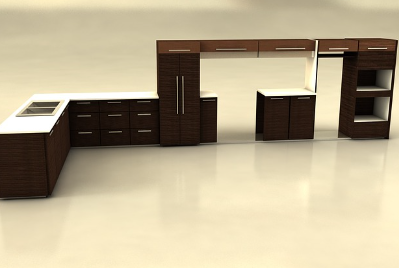
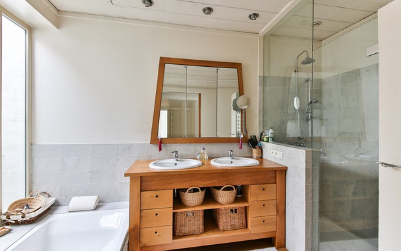
Built-in cabinetry maximizes storage efficiency while creating integrated architectural elements through custom designs addressing specific spatial constraints and organizational requirements. Kitchen cabinetry provides food preparation and storage infrastructure through base cabinets, wall cabinets, and specialty units accommodating appliances, cookware, and provisions. Bathroom vanities combine sink integration with storage addressing toiletries and linens. Home office built-ins create efficient workspaces through desks, filing systems, and book storage. Entertainment centers accommodate audio-visual equipment while organizing media collections. Library shelving displays book collections while providing reading room functionality. Mudroom storage organizes outdoor gear, coats, and footwear near entries. Closet systems maximize wardrobe organization through hanging rods, shelving, and drawer systems. Custom configurations address irregular spaces, sloped ceilings, or architectural features standard cabinetry cannot accommodate. Material selections coordinate with adjacent millwork or establish distinctive design statements.
Custom office furniture optimizes productivity through ergonomic work surfaces, organized storage, and professional aesthetics supporting focused work activities. Executive desks provide substantial work surfaces with integrated storage addressing paperwork, technology, and personal items. Conference tables facilitate meetings through appropriately sized surfaces accommodating participant counts and audio-visual equipment. Credenzas offer storage and display surfaces behind desks or along walls. Bookshelves organize reference materials and display professional credentials or personal items. Filing cabinets provide secure document storage meeting professional organization requirements. Custom dimensions accommodate specific office layouts, technology integration, or accessibility requirements. Wire management solutions integrate power and data connections maintaining organized professional appearance. Finish selections establish appropriate professional aesthetics from traditional dark woods through contemporary light finishes coordinating with existing office architecture.
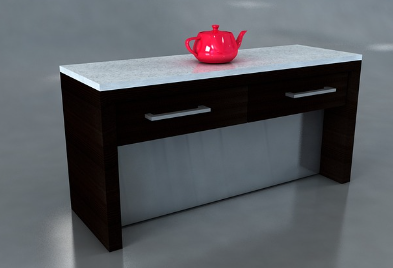
Living room furniture creates comfortable gathering spaces through coffee tables, console tables, bookcases, and media storage supporting relaxation and entertainment activities. Coffee tables provide central surfaces for beverages, reading materials, or decorative displays at appropriate heights for seated users. Console tables furnish narrow wall spaces behind sofas or along entries offering display surfaces and storage. End tables supply surfaces beside seating for lamps, beverages, or personal items. Bookcases display book collections, decorative objects, or family photographs while organizing media collections. TV stands accommodate flat-screen displays while organizing audio-visual components and media. Storage ottomans combine seating or footrest functionality with hidden storage. Magazine racks organize reading materials maintaining tidy appearances. Custom dimensions address specific room proportions, architectural features, or existing furniture arrangements. Finish coordination creates cohesive living environments complementing upholstered furniture and architectural millwork.
Custom chairs and benches provide comfortable seating through ergonomic designs, quality construction, and optional upholstery accommodating dining, office, or casual seating applications with appropriate comfort and durability.
Custom architectural elements including mantels, wainscoting, trim work, and built-in features create distinctive interiors integrating with structural architecture through coordinated design and quality craftsmanship.
Furniture restoration and refinishing services revive damaged or worn pieces through structural repairs, surface preparation, and finish application restoring original beauty and extending furniture service life.
Connect With Workshop
Address
78 Avenue Jean Jaurès
31000 Toulouse
France
Workshop Hours
Monday - Friday: 8:00 - 17:00
Saturday: 9:00 - 13:00